Grant Recipient Impact Statement
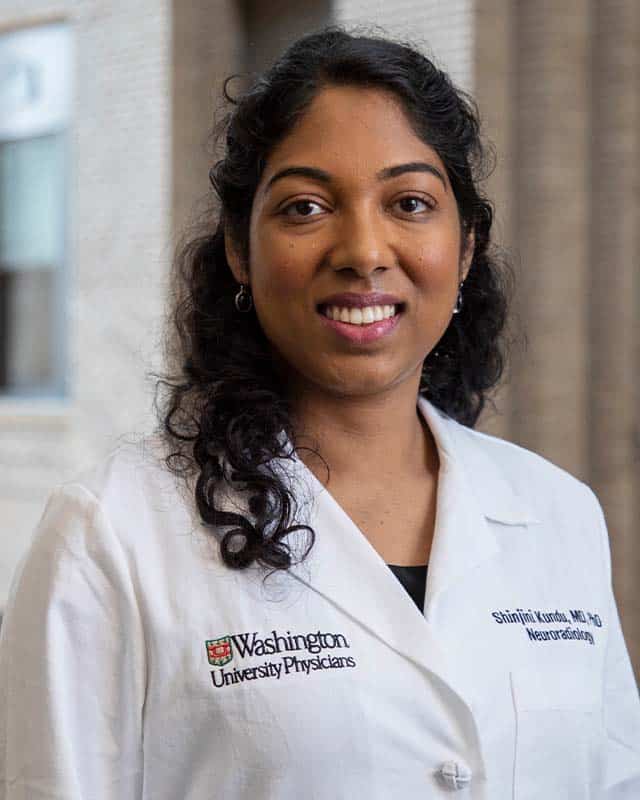
Foundation of the ASNR Grant Program — Shinjini Kundu
Grant Recipient Year: 2025
Investigating Neural Pathways in Genetically-Mediated Autism using Generative Machine Learning
Our lab studies how defined genetic variants shape brain organization in autism, focusing on 16p11.2 copy number variation. I am grateful to the Foundation of the ASNR for supporting our research to connect this defined genetic perturbation to quantitative, in vivo measures of brain organization. Building on our prior findings, we are using diffusion tensor imaging together with 3D transport-based morphometry in the Simons Variation in Individuals Project to refine interpretable white-matter signatures of 16p11.2. Clinically, this advances a genetics-first framework for precision medicine in the brain, laying groundwork for imaging-genetics markers that can inform stratification and counseling in autism. The award was catalytic in generating rigorous preliminary data that positions this work for larger-scale validation and sustained support to translate these discoveries into clinically meaningful tools. Donor support remains essential for moving promising ideas toward broader impact.
Shinjini Kundu, MD, PhD
Washington University School of Medicine
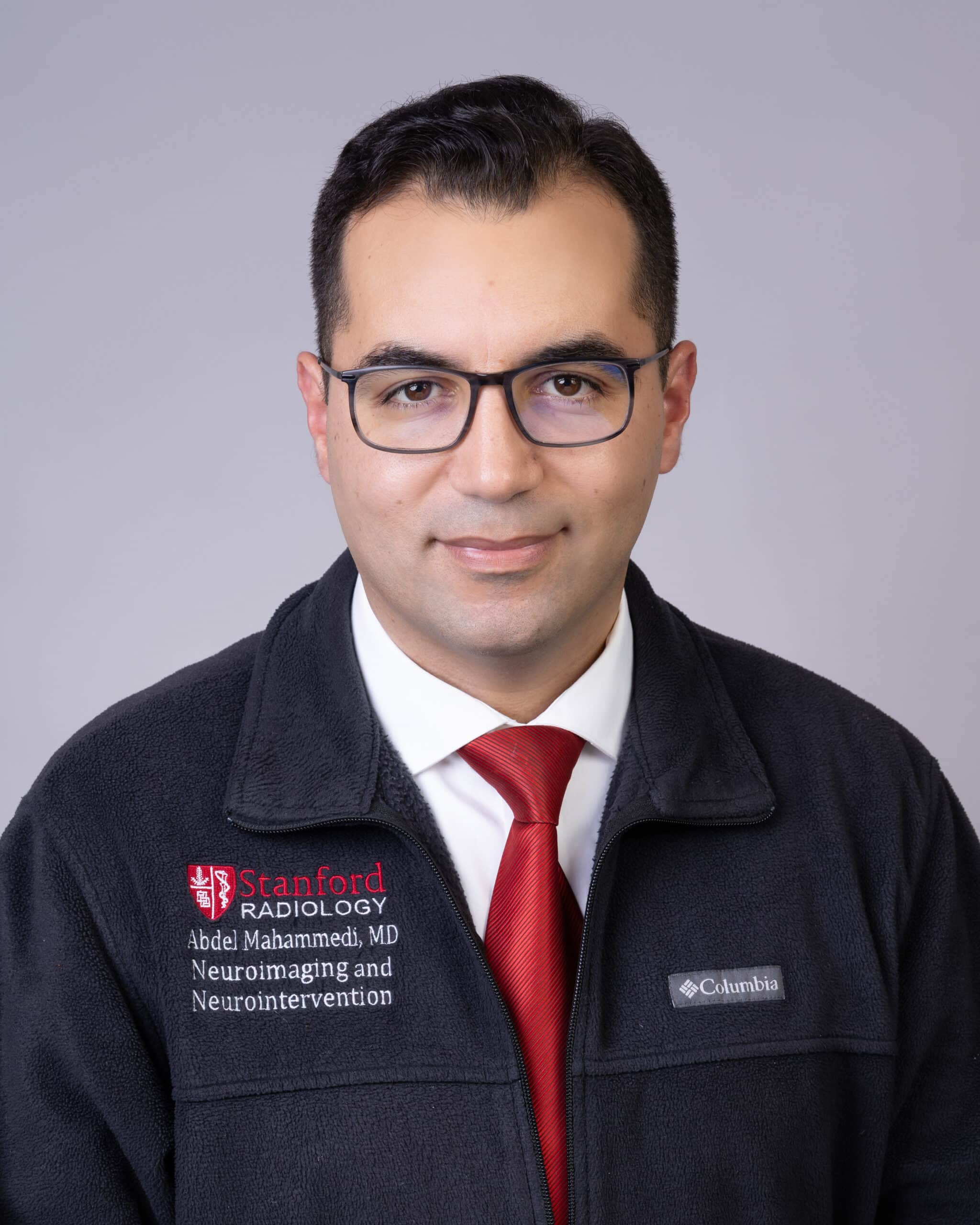
Foundation of the ASNR Grant Program — Abdelkader Mahammedi
Grant Recipient Year: 2025
Using Arterial Spin Labeling MRI to Identify the Role of Perfusion and Glymphatics in Cerebral Small Vessel Disease
Cerebral small vessel disease (SVD) is a leading cause of stroke and dementia, yet conventional MRI markers often fail to explain the wide variability in clinical symptoms and progression. This may be because conventional MRI measures are focal, whereas SVD is increasingly thought of as a global, whole-brain phenomenon that is not captured by conventional anatomic MRI. Therefore, functional MRI-based methods that assess global attributes such as brain perfusion and glymphatic flow may shed new insights. With support from the Foundation of the American Society of Neuroradiology, we are leveraging arterial spin labeling MRI to quantify whole-brain perfusion and gray matter/CSF interface–optimized metrics that may serve as surrogates of glymphatic function. By building an age-matched population-based ASL database across a spectrum of SVD burden, we aim to determine whether these functional biomarkers predict disease severity and progression, and even differentiate subgroups of patients with SVD, potentially enabling new targets for treatment. Clinically, this work may enable improved risk stratification and identification of high-risk subgroups. This may unveil novel quantitative radiological risk factors of brain health beyond those related to clinical history alone, and will lead to a redefinition of our understanding of SVD and CBF. The Foundation’s support has been pivotal in generating pilot data and advancing translational momentum toward future NIH funding.
Abdelkader Mahammedi, MD
Stanford University School of Medicine
Foundation of the ASNR Grant Program — Alexandre Boutet
Grant Recipient Year: 2025
Deep Brain Stimulation Safety at Low and Ultra-High MRI Field Strengths: Towards a New Method for Unprecedented Direct Probing of Brain Functions
Receiving the ASNR Foundation grant will have a direct clinical impact by demonstrating that low- and ultra-high-field MRI can be safely used in patients with neuromodulation implants, enabling unprecedented millimetric-level brain mapping. I am very grateful for this support, which has been pivotal for me as an early-career investigator in establishing an independent research program in brain mapping and neuromodulation, leading to high-impact publications and foundational data for larger multi-institutional grants. Continued donor support of FASNR is essential to advance neuroradiology-driven innovation and patient care.
Alexandre Boutet, MD, MSc, PhD
University of Toronto
Foundation of the ASNR Grant Program — Sarah Moum
Grant Recipient Year: 2025
Non-contrast-enhanced quantitative 4D MR angiography and rVE-ASL perfusion imaging for pediatric cerebral arteriopathies
Cerebrovascular disease is a leading cause of morbidity and mortality among children. The Foundation of the ASNR’s gracious support has spearheaded our research on non-invasive characterization of pediatric arteriopathies. Using advanced arterial spin labeling techniques, we can reduce reliance on invasive procedures and develop approaches that improve diagnosis, risk stratification, and clinical decision-making for these patients. This grant has been instrumental in accelerating clinically meaningful research in children. With the grant’s pilot data, we are thrilled for the opportunity to publish our work and apply for future funding. I am deeply grateful for the Foundation’s support, which furthers my career goals to drive innovation, expand scientific discovery, and ultimately improve pediatric patient care.
Sarah Moum, MD, MSc
University of Southern California Ann & Robert H. Lurie Children’s Hospital of Chicago
Women in Neuroradiology Leadership Development Scholarship – Hediyeh Baradaran,
Grant Recipient Year: 2025
Attending the 3-day Radiology Leadership Institute Summit in Boston this past September was a highlight of the year. Attending this focused leadership training summit came at a critical juncture in my career as I have recently transitioned to leading a division of diverse neuroradiologists. I learned practical skills on conflict resolution, negotiation, financial literacy, and attunement to my team’s needs. The practical leadership frameworks and communication strategies I learned have already significantly enhanced my ability to manage complex team dynamics and align varied faculty goals with our broader departmental mission. The range of topics explored gave me concrete tools to address challenges in workflow optimization and faculty engagement. Learning these leadership skills at a time when I could immediately apply them in my new role was especially valuable, as it reinforced my understanding and allowed me to build on my existing strengths in real time. Beyond the practical skills which I have already implemented, I also benefited greatly from the opportunity to network with other leaders facing similar challenges, which gave me new perspectives on faculty development, conflict resolution, and fostering a culture of accountability and collaboration. The personal connections I formed during the 3-day summit were especially meaningful, as they provided both inspiration and mentorship opportunities that will support me as I continue to grow in my leadership journey within Neuroradiology. As a result of attending this summit, I feel more confident and equipped to lead effectively, make informed decisions, and create a more cohesive and forward-thinking division. I am very grateful to have been afforded this special opportunity by the generosity of the Foundation of the ASNR, AAWR, and ACR.
Hediyeh Baradaran, MD, MS
Columbia University
Foundation of the ASNR Grant Program – Andreas Rauschecker
Grant Recipient Year: 2024
Clinical Utility of AI-Enabled Quantitative Meningioma Monitoring
I am very grateful to the ASNR Foundation for supporting my early career. This grant jumpstarted a major project to learn more about meningiomas using the latest AI tools, giving us the ability to extract imaging information from all meningiomas we have ever imaged in our healthcare system -- and relating these to outcomes. At the same time, we are making radiologists more efficient by giving them quantitative data and obviating manual measurements. Based on the work that the ASNR Foundation Grant enabled, we were able to submit for a large NIH grant. Ultimately we expect this work to result in data-driven personalized health decisions for patients with brain tumors such as meningiomas.
Andreas Rauschecker, MD, PhD
University of California San Francisco
Foundation of the ASNR Grant Program – Hosung Kim
Grant Recipient Year: 2024
Novel multi-modal imaging marker for regional glymphatic flow in humans as a potential early biomarker of Alzheimer’s Disease
I am incredibly grateful for this ASNR Foundation Grant, which supports our efforts to develop RAPiD (Regional Assessment of Perivascular water Diffusivity), a novel MRI-based method for assessing glymphatic function in Alzheimer’s disease (AD). By improving our ability to measure regional glymphatic flow, this research aims to identify early imaging markers of AD, paving the way for more precise diagnosis and intervention. The Foundation of the ASNR grant has provided important initial resources for me in advancing our work, including our ISMRM 2025 abstract that presents the fundamental methodology of our technique. I believe this grant will serve as a foundation for future studies translating these findings into clinical applications for improved patient outcomes.
Hosung Kim, PhD
University of Southern California
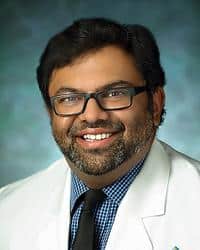
Foundation of the ASNR Grant Program — Vivek Yedavalli
Grant Recipient Year: 2024
Utility of MRI Fingerprinting Arterial Spin Labeling in Detection and Characterization of Small Unruptured Arteriovenous Malformations for Treatment Planning
Currently, there is no treatment consensus for small unruptured intracranial arteriovenous malformations, which continues to be a challenge for our clinicians in managing patients afflicted with this disease. These small AVM patients are at risk of hemorrhage, stroke, seizures, etc, necessitating biomarkers to help with treatment planning to prevent such dire complications. Thanks to the generous support of the Foundation of ASNR, we are able to improve detection and characterization of small AVMs utilizing a novel MRI fingerprinting arterial spin labeling method. I am grateful to the Foundation for providing the support to explore the clinical translation of this unique method where our biomarkers assist with treatment planning for these AVM patients. The funding from the Foundation gives me the time and opportunity to enroll patients prospectively and collect the requisite data for subsequent publication and larger grant opportunities. With the preliminary data we are able to obtain for this investigation, we intend to submit this project as an R01 NIH grant in the future. This grant has been invaluable in my career growth as a clinical and translational physician scientist and I am grateful for the Foundation’s continued unwavering support in allowing us to push our science to the next frontier.
Vivek Yedavalli, MD, MS
Johns Hopkins University
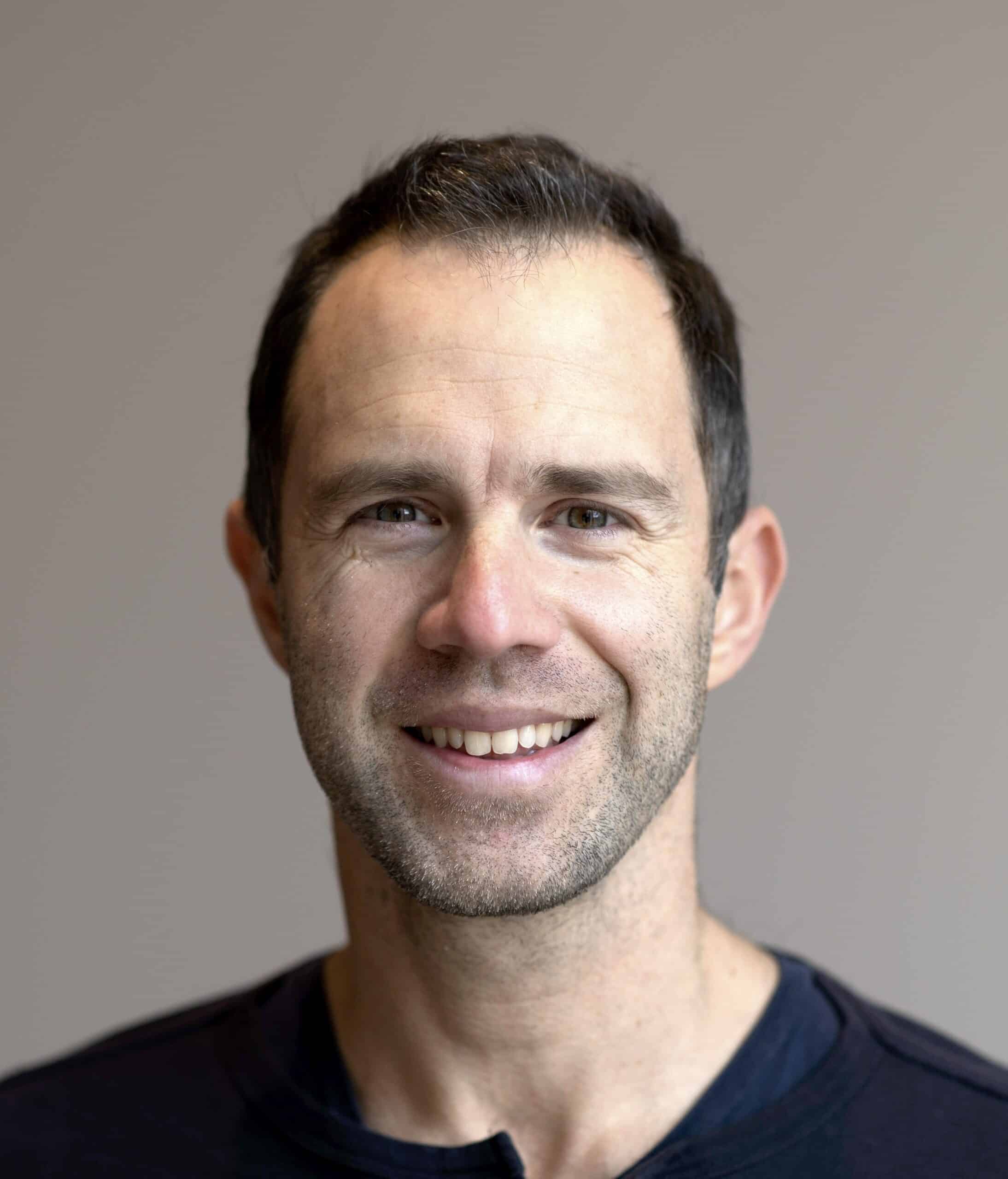
Foundation of the ASNR Grant Program – Marios Georgiadis
Grant Recipient Year: 2024
Quantitative Myelin Imaging In AD And Integration With Molecular Biomarkers
Myelin, which insulates neuronal axons and makes up ~40% of our brain, is strongly involved in Alzheimer's Disease, but its role is unclear, partly due to lack of methods to study it. Our novel myelin-specific imaging method using X-ray scattering can quantify myelin levels and integrity tomographically. With the generous support of the Foundation of the ASNR grant, I am leveraging this to quantify myelin degeneration in the Alzheimer's brain, link it to molecular biomarkers, and translate it to quantitative in vivo MRI imaging. The FASNR grant is essential for this research that can yield new imaging and molecular biomarkers that can drive much-needed novel Alzheimer's Disease diagnosis and treatment strategies.
Marios Georgiadis, PhD
Stanford University School of Medicine
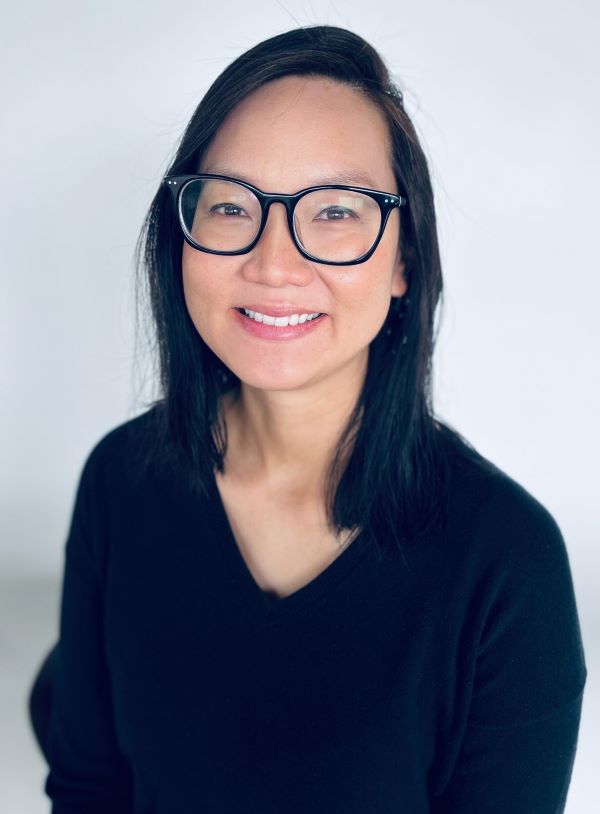
Foundation of the ASNR Grant Program – Nancy Pham
Grant Recipient Year: 2023
Multi-technique MR Perfusion Evaluation of Nasopharyngeal Carcinomas: A Study Assessing the Concurrent Use of Dynamic Susceptibility Contrast-enhanced, Dynamic Contrast-enhanced, and Arterial Spin Labeling for Whole-tumor Characterization and Biomarker Discovery
Integrating functional MR perfusion biomarkers with genomic plasma EBV-DNA and 18FDG-PET/CT metabolic parameters can potentially improve tumor staging, prognostication, and surveillance beyond the traditional AJCC TNM staging system alone. The Foundation grant proved instrumental in my development as a clinician-scientist. It will support 12 months of dedicated research time, enabling me to collect crucial data for my research on NPC. This data has already directly contributed to my ability to secure additional grant funding. This early success strengthens my resolve to bridge the gap between clinical practice and scientific advancement
Nancy Pham, MD
Stanford University
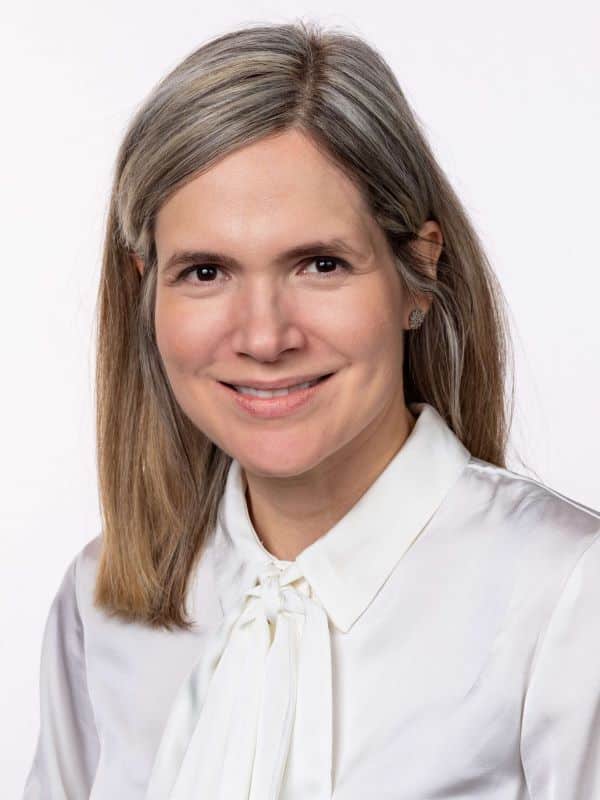
Foundation of the ASNR Grant Program – Licia Luna
Grant Recipient Year: 2023
Investigating the Resting State Functional Connectivity and Molecular Underpinnings of the Association between Post-Traumatic Stress Disorder (PTSD) and Dementia
This grant has provided me with the opportunity to conduct a comprehensive multimodal investigation, enabling me to uncover the molecular and functional mechanisms underlying the link between post-traumatic stress disorder and cognitive decline… With the generous support of the Foundation, I am eager to continue investigating this interdisciplinary field, bridging functional MRI with molecular insights to enhance outcomes for patients with neuropsychiatric disorders… and motivated to leverage our findings to secure additional funding. Your ongoing support is essential as we strive to make meaningful strides in patient care and address the challenges posed by cognitive and psychiatric conditions.
Licia Luna, MD, PhD
Johns Hopkins School of Medicine
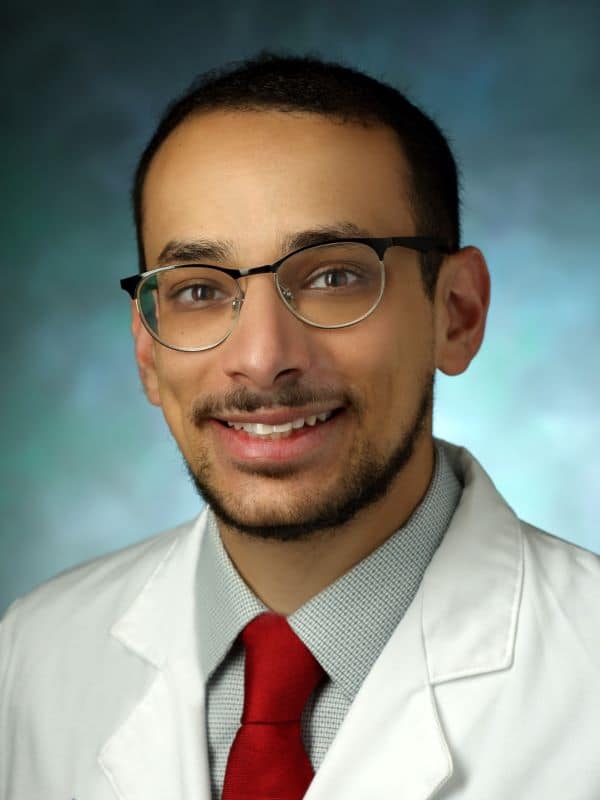
Foundation of the ASNR Grant Program – Peter Kamel
Grant Recipient Year: 2023
Cross-Modality Stroke Segmentation using Deep Convolutional Neural Networks for Detection of Acute Ischemic Infarcts on Non-Contrast Head CT
I am incredibly thankful and appreciative of the Foundation of the ASNR in support of my early career. The time afforded by the grant has been instrumental in allowing me to pursue the research I am passionate about. Through the support of the grant, we have been able to perform cutting edge artificial intelligence research in stroke imaging, developing machine learning models to improve the detection and localization of early ischemic infarcts on CT by training on MRI results. The work has already led to multiple presentations, paper submissions, and grant applications with the potential to impact patient care. This would not have been possible at all without the support of the Foundation of the ASNR.
Peter Kamel, MD
University of Maryland